What Do Baby Lanternflies Look Like?
 Gabriel Cooper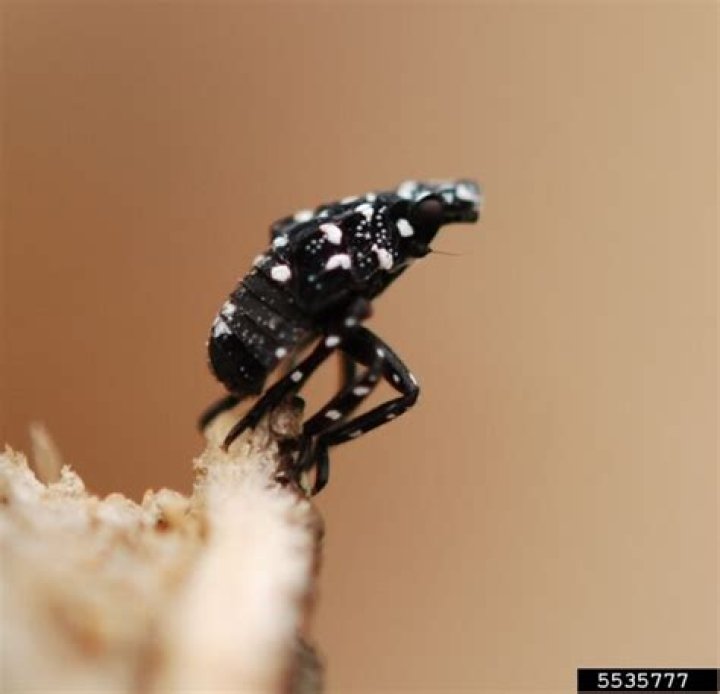
Lanternflies are one of the most destructive and invasive insect pests. These insects are native to Southeast Asia and harmless due to the presence of natural predators. Lanternflies belong to the insect order Hemiptera “true bugs”.
Silky Terrier Dog Breed Playing Aro... Silky Terrier Dog Breed Playing AroundThe baby lanternflies belong to the nymphal stage that is more damaging than the adult stage. They usually attack fruit trees, maple trees, crops, and vines, causing wilting, leaf curling, and sap oozing. In addition, the excretion of sugary sap, namely “honeydew”, from the insect body also promotes the growth of harmful black mold. This article will describe the physical appearance of baby lanternflies and how do they look like.
What Baby Lanternflies Look Like?
Baby lanternflies are wingless planthoppers. The winged adult stage lay clumps of eggs from September to November. The eggs start hatching in early spring, and baby lanternflies (nymphal stage) emerge. The nymphal stage is further categorized into four instars based on size and physical appearance.
The first instar of baby lanternflies is black with white spots. They have whopping short legs and are approximately 6 mm in size. Usually, they are confused with crawling ticks. In this instar, they start moving towards the soft branches of the trees. In the second and third instar of baby lanternflies, a mere increase in size was observed. The most conspicuous, fourth instar of baby lanternflies starts in mid-summer. Now baby lanternflies increase up to the size of 18 mm. Their coat color turns to bright red with black patches and white spots.
Baby lanternflies possess three pairs of legs, distinct head region, thorax, and abdomen. Their hind legs are strong enough to help in jumping and crawling up to 4 meters. They sometimes hitchhike to vehicles and trains to spread anywhere. Unlike their adults, baby lanternflies do not fly due to the absence of wings. They have piercing-sucking type mouthparts that suck sugary saps from deep inside the phloem of the targeted plants. Baby lanternflies do not pass through the larval stage; instead, they molt directly into the winged adult stage after the fourth instar.