How To Check An Engine Block For Cracks?
 Caleb Butler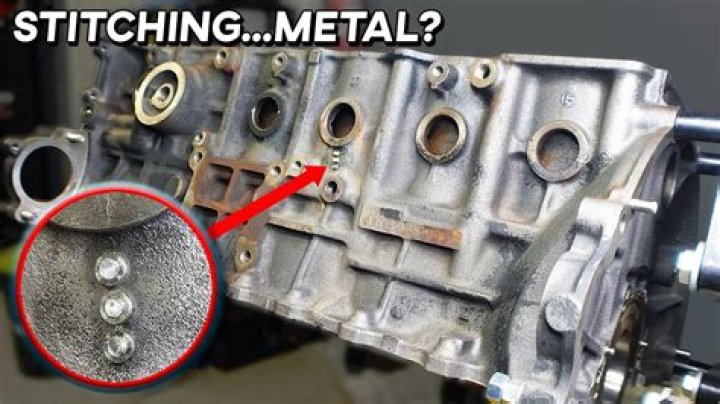
The mere mention of the words “cracked engine block” sends shivers down most car owners’ spines. Because, unlike other engine problems that are easy to fix, such as a blown fuse, a cracked radiator hose, or worn brakes, this one isn’t. Many engine blocks crack as a result of contaminants that seep into the metal during the manufacturing process. When a block is poorly cast, coolant or oil can leak from the crack. This can cause engine oil to mix with antifreeze, or vice versa, though the latter is more likely when an engine block has a deep crack. When antifreeze is contaminated with oil, it usually emits an odor and causes smoke to be produced from the exhaust. Other common engine block crack symptoms include:
Silky Terrier Dog Breed Playing Aro... Silky Terrier Dog Breed Playing AroundPoor engine performance due to low engine compression;
- Visible engine smoke
- Engine overheating due to leaking antifreeze
- Discoloration of a car’s oil or antifreeze
- Coolant that has leaked or frozen in the radiator
- Excessive smoke coming from the exhaust
- Insufficient level of coolant
Repairing a cracked block of an engine may be possible, but it is more common to replace an engine with a rebuilt one, or with a new one or a salvaged one.
Even though there are many issues that can cause a cracked engine block, most of them involve excessive heat, which is generally caused by a coolant problem. Whenever this occurs, the engine’s overheated areas expand while the cooler areas remain unchanged. As a result, a lot of stress is put on the block, which can definitely lead to the formation of a crack in your engine. It’s also possible that a faulty water pump will lead to an engine block crack because it will prevent coolant from flowing as it should through the system, causing it to overheat. Casting failure during the injection molding process, on the other hand, can cause the metal of an engine block to be a lot thinner in certain areas. Heating these areas can cause very small cracks to form.