What Do Baby Praying Mantis Look Like?
 Rachel Davis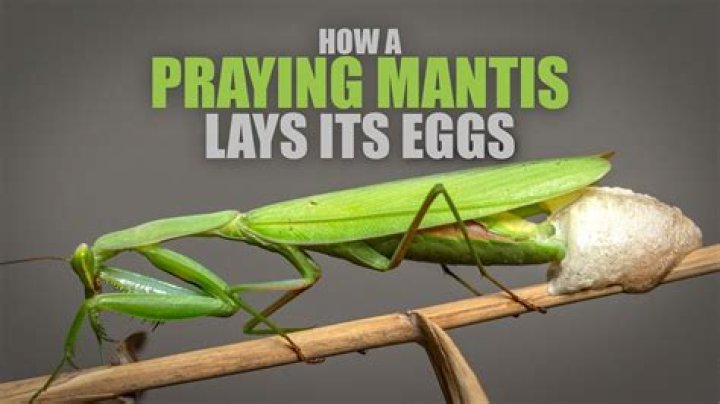
Baby praying mantises are tiny, beautiful, and beneficial insects. They are similar to adult praying mantises except for wings. They belong to the vital insect family Mantidae. They are voracious predators and mainly prey on small insects, wingless fruit flies, cricket, moth, and aphids.
Silky Terrier Dog Breed Playing Aro... Silky Terrier Dog Breed Playing AroundThe prominent feature of baby praying mantises lies in their head which can turn around 180 degrees just like a human, and their forelegs appear as they are praying.
What Baby Praying Mantis Look Like?
Baby praying mantises vary in size from 4-12 mm. They possess a pair of antennae, a pair of eyes, three pairs of legs. Their bulging eyes and modified forelegs make them efficient predators. The femur and tibia of their forelegs bear spines that stun and act as a pincer to clasp the prey. They stand still and eye on prey before capturing.
Out of a one-year life span of an adult praying mantis, four months are of baby life. To reach the adult stage, the baby praying mantis passes through 6 molting stages. Molting is a process in which insect shed their exoskeleton to increase their size. The feeding usually halts during the molting period. When baby praying mantises grow adults, their size increases up to 15 cm, and a pair of leaf-like wings appear to fly.
Female praying mantises deposit their egg called ootheca on leaves and stems. The ootheca is protein foam that initially sticks to the leaf surface and later on hardened to protect the developing praying mantises from the harsh winters, predators, and dehydration. Initially, they appear colorless; however, they soon camouflage with their surroundings to protect them from predators. Depending on their surroundings, they appear in various colors, from pink to white, yellow, brown, green, and brown.