What Do House Flies Eat?
 Caleb Butler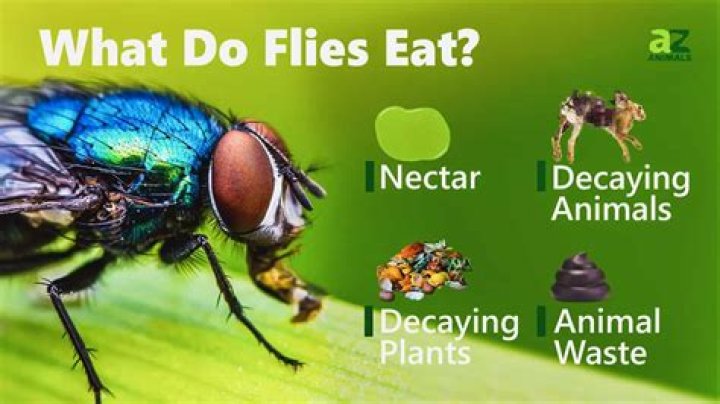
Learn What House Flies Eat
The house fly is a well-known global pest that may be found both on farms and in homes. This species is always seen near humans or human activities. They are omnivorous, meaning they can eat nearly anything liquid or can be turned into a liquid. Adults are primarily carnivorous, consuming animal waste, carrion, excrement, milk, sweet things, and decaying fruit and vegetables.
House flies are general feeders, meaning they will consume anything from food to animal and human feces. They can only eat liquids from their spongy lips; therefore, they must liquefy food by regurgitation. They are drawn to a wide range of things, including overripe fruit and vegetables.
Waste Substances
House flies are only able to ingest liquid. Also, house flies will use their saliva to break down solid foods. House flies are capable of eating many different things. They really do have interesting eating habits; there’s not much that they can’t eat or won’t feed on.
The pests eat different things, and adult fly diets are frequently other from what their larvae require. For example, mature drain flies consume nectar and pollen but lay eggs in pipes so that their young may consume wet, bacteria-laden organic waste as they grow
Fecal Matter
They consume any moist or rotting materials, but they are especially drawn to pet excrement since the odor is strong and straightforward to locate.
What House Flies Do Not Eat
Although house flies are omnivores, they are not found to eat other insects or invertebrates. House flies don’t eat other house flies, aphids, gnats, spider mites, mosquitos, ants, spiders, caterpillars, or fleas. Also, house flies don’t eat artificial products, clothes, or plastic.