What Do Jerusalem Crickets Eat?
 John Campbell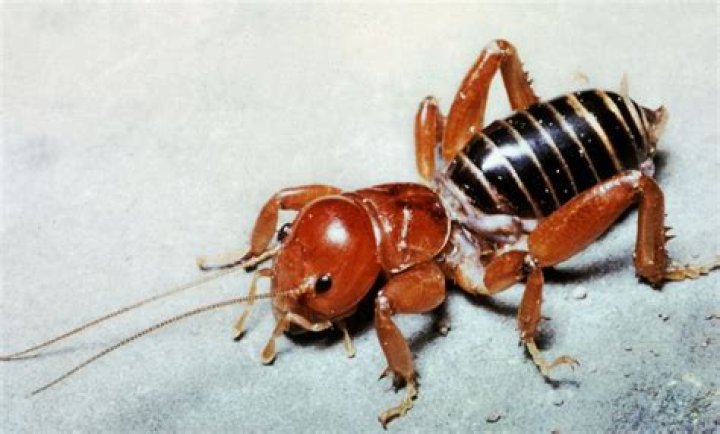
Jerusalem crickets are classified as omnivorous species because they feed on plants as well as small insects for their survival. They also feed on dead plants and dead organic matter. Jerusalem crickets are harmless but if they bite they can cause moderate pain where they bite in the body.
Silky Terrier Dog Breed Playing Aro... Silky Terrier Dog Breed Playing AroundJerusalem crickets are found in different parts of Mexico and in the western parts of the United States. These crickets are native to the desert southwest, along the pacific coast, and in the western states. Jerusalem crickets are commonly found under rocks, dunes, woodlands, grasslands, and on the dead matter of plants.
The average size of a Jerusalem cricket is about 1inch to 2inch in length. The average weight of a Jerusalem cricket is about 5grams to 13grams. A Jerusalem cricket can live up to two to three years.
Small insects and animals
Jerusalem crickets usually feed on small insects. They mostly feed at night and they are more active in the night hours. They can eat ants, young spiders, mosquitoes, and their larvae. Jerusalem crickets also feed on dead insects and dead animals. In daylight, they mostly stay underground. A female Jerusalem cricket may eat male cricket after mating. They also feed on young caterpillars and young ladybugs.
Plants and vegetables
Jerusalem crickets eat roots, tubers, shoots, stems, and leaves of various plants. Jerusalem crickets also eat dead and decaying plants and dead organic matter. Jerusalem crickets can eat potatoes, tomatoes, onions, wheat, corn, apples, bananas, mangoes, peaches, and berries.
In captivity, Jerusalem crickets mostly eat apples, potatoes, and prepared cricket food. Jerusalem crickets also eat some vegetables like cucumber, zucchini, and celery. They are not pests but when they eat crops they occasionally harm crops and vegetables because they eat non woody tubers in large amounts which harm the plants badly.